

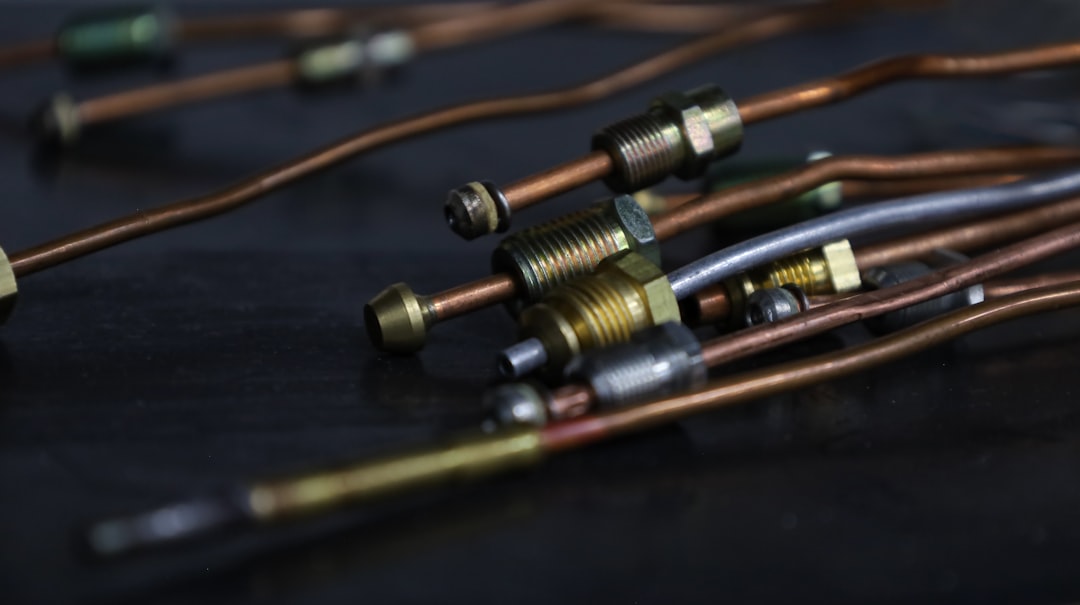

304 stainless steel pipe fittings bulk Australia are high-demand components for industrial piping systems requiring corrosion resistance, durability, and compliance with international standards. TeCarve Stainless manufactures these fittings per ASTM A403 and EN 10253, ensuring consistent quality for Australian importers and engineering firms. With factories in Foshan and Wenzhou, China, TeCarve provides seamless and welded fittings in grades 304 and 316L, sizes DN6–DN600, with a 10,000-ton annual capacity. The company’s quality management system is ISO 9001 certified, and each shipment includes EN 10204 3.1 or 3.2 mill test certificates.
ASTM A403 and EN 10253 define chemical and mechanical requirements for wrought stainless steel butt-weld fittings. According to ASTM A403, 304 fittings must contain a maximum of 0.08% carbon, 18.0–20.0% chromium, and 8.0–10.5% nickel. EN 10253-2 specifies additional testing for pressure equipment, including impact tests at -20°C for low-temperature service. TeCarve supplies fittings that meet both standards, with material certificates traceable to the heat number.
304 stainless steel offers excellent corrosion resistance in mild environments with a maximum service temperature of 870°C. Its tensile strength is a minimum of 515 MPa (75 ksi) per ASTM A403. For applications requiring higher resistance to chlorides and acids, 316L is recommended, with 2.0–3.0% molybdenum, a maximum carbon content of 0.03%, and tensile strength of 485 MPa (70 ksi). TeCarve stocks both grades in DN6–DN600, with wall thickness schedules from Sch5S to SchXXS.
Bulk orders to Australia benefit from TeCarve’s streamlined logistics and competitive pricing. The company exports to 50+ countries, including Australia, using FOB, CIF, CFR, or DDP incoterms. MOQ for pipe fittings is 100–300 kg, with smaller trial orders available. Lead time is 10–25 days after deposit, and payment terms include T/T and L/C. All fittings undergo hydrostatic testing, eddy current testing, and dimensional inspection before shipment.
Surface finishes for pipe fittings include pickled and annealed, polished (180–400 grit), mirror finish, and matte/satin. For Australian food and beverage or pharmaceutical applications, a 320-grit polished finish is common to meet hygiene standards. TeCarve can also supply custom finishes on request, with each batch inspected for surface roughness (Ra ≤ 0.8 μm for sanitary fittings).
How to Choose the Right Grade for Your Application:
1. Identify the corrosive environment. For fresh water, air, or mild chemicals, 304 is cost-effective. For seawater or chloride exposure, use 316L with molybdenum ≥2.0%.
2. Check temperature requirements. 304 can withstand up to 870°C in continuous service; 316L up to 800°C. For cryogenic service, 304L or 316L are preferred due to low carbon content.
3. Determine pressure rating. Use ASME B16.9 dimensions for butt-weld fittings. At 38°C, Sch40S 304 fittings have a pressure rating of 13.8 MPa (2000 psi) for DN50.
4. Consider fabrication needs. 304L and 316L have lower carbon (≤0.03%) to prevent sensitization during welding. For post-weld annealing, standard 304 may be used.
5. Review standards compliance. Ensure fittings meet ASTM A403 (chemical/mechanical) and EN 10253 (CE marking for EU). TeCarve provides both certifications.
Industry Applications:
– Oil & Gas: 304 fittings handle sour gas with H₂S up to 50 ppm; 316L for offshore platforms.
– Chemical & Petrochemical: 316L resists sulfuric acid up to 20% concentration at 50°C.
– Food & Beverage: 304 polished fittings meet 3-A sanitary standards for dairy processing.
– Pharmaceutical & Medical: 316L with electropolished surface (Ra ≤ 0.4 μm) for clean rooms.
– Marine & Shipbuilding: 316L fittings for seawater cooling lines (pitting resistance equivalent number ≥25).
– HVAC & Heat Exchangers: 304 fittings for chilled water systems (pH 6.5–8.5).
– Architecture: 304 mirror finish fittings for handrails and structural elements.
Standards & Certifications:
– ASTM A403: Standard specification for wrought austenitic stainless steel piping fittings.
– EN 10253-2: Specification for butt-welding fittings for pressure purposes – non-alloy and ferritic alloy steels with specific inspection requirements.
– ISO 9001: Quality management system for manufacturing and supply.
– ASME B16.9: Factory-made wrought butt-welding fittings (dimensions and tolerances).
– ASME B16.11: Forged fittings, socket-welding and threaded.
– EN 10204 3.1/3.2: Inspection documents – 3.1 (manufacturer’s declaration) or 3.2 (third-party inspection).
Market Data: Australia imported over AUD 120 million worth of stainless steel pipe fittings in 2023, with 304 grade accounting for 60% of demand. The country’s mining and LNG sectors drive bulk orders for DN100–DN600 fittings. TeCarve’s direct factory pricing reduces landed costs by up to 15% compared to Australian distributors.
FAQ:
1. What is the difference between 304 and 316L stainless steel pipe fittings?
304 contains 18% Cr and 8% Ni, while 316L adds 2–3% Mo for better corrosion resistance. 316L has a maximum carbon of 0.03% versus 0.08% for 304, improving weldability. For seawater or acidic environments, 316L is preferred.
2. What pressure rating do 304 pipe fittings have?
Pressure rating depends on size and schedule. For DN50 Sch40S 304 fittings, the rating is 13.8 MPa (2000 psi) at 38°C per ASME B16.9. For higher pressures, use Sch80S or Sch160.
3. Which grade is best for seawater?
316L is the standard choice for seawater due to its molybdenum content (2–3%), which resists chloride pitting. The pitting resistance equivalent (PRE) for 316L is ≥25, compared to 19 for 304.
4. Can 304 pipe fittings be used for high-temperature applications?
Yes, 304 can operate up to 870°C in continuous service and 925°C intermittent. For temperatures above 500°C, consider creep strength; 304H (0.04–0.10% C) is preferred for higher creep resistance.
5. What sizes are available for bulk orders to Australia?
TeCarve supplies DN6 to DN600 (1/8″ to 24″) in schedules Sch5S to SchXXS. Bulk orders can mix sizes and grades, with MOQ of 100–300 kg per item.
6. Do you provide mill test certificates?
Yes, all fittings come with EN 10204 3.1 mill test certificates. Third-party inspection (3.2) is available upon request, at an additional cost.
7. What is the lead time for bulk pipe fittings?
Standard lead time is 10–25 days after deposit. For rush orders, TeCarve can expedite within 7 days for common sizes and grades.
8. How do I ensure the fittings meet Australian standards?
TeCarve’s fittings comply with ASTM A403 and EN 10253, which are accepted in Australia. Additional AS 2129 flanges or AS 2885 piping code compliance can be arranged.
9. What payment terms do you accept?
We accept T/T (30% deposit, 70% before shipment), L/C at sight, and Bill of Lading for established customers. For bulk orders over $50,000, L/C is preferred.
10. Can I get a sample before placing a bulk order?
Yes, sample orders are available for a nominal fee plus shipping. The cost is deducted from your first bulk order. Contact sales@tecarve.com for details.
TeCarve Stainless supplies pipe fittings certified to ASTM A403, EN 10253.
Sizes: DN6-DN600
Grades: 304, 304L, 316, 316L, 321, 310S, 201, 430, 904L, Duplex 2205 | MOQ: 100–300 kg (smaller trial orders available) | Lead Time: 10–25 days after deposit
Email: sales@tecarve.com
WhatsApp: +86 189 6804 2695
Website: https://tecarvepipes.com/pipe-fittings/
Response within 24 hours.