


Structural & Fabricated Stainless Steel Rectangular Tubing


Get Your Rectangular Tube Quote
Sourcing stainless steel rectangular tubing for directional load-bearing beams, transport equipment chassis, architectural facades, or heavy framing? Contact our sales desk for mill direct pricing, strict straightness tolerances, and trial orders (100–300 kg MOQ supported).
Engineered for high moment of inertia along the major axis, providing superior bending resistance in structural spans.
Short rectangular tube samples provided for profile fit, laser miter cutting, and surface roughness evaluation.
Verify prototype chassis welding, fixture fit-up, or architectural mockups with low-MOQ trial quantities.
Complete EN 10204 3.1 test reports covering mechanical tensile/yield strength, dimensional squareness, and weld integrity.
For structural rectangular tube projects, explore how to verify our corner radius consistency, weld seam integrity, tensile testing, and mill test certificates.
Rectangular Tube Packaging & Inspection Photos
Real product, inspection, packaging and loading photos.
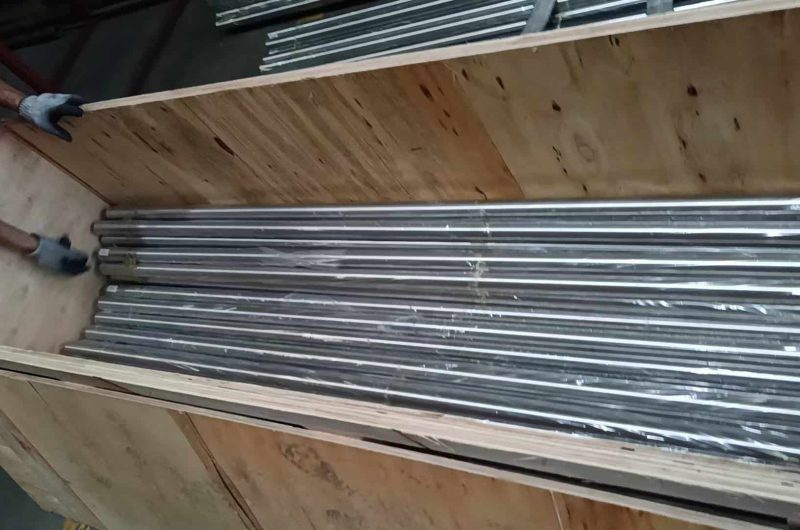
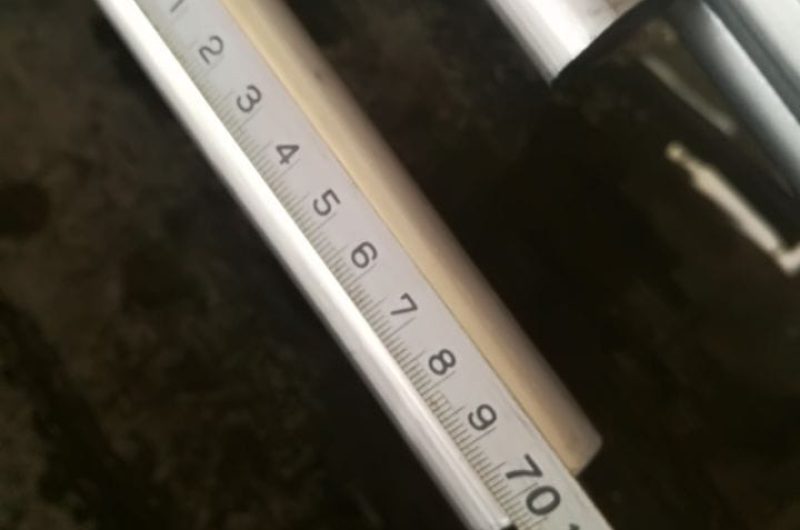
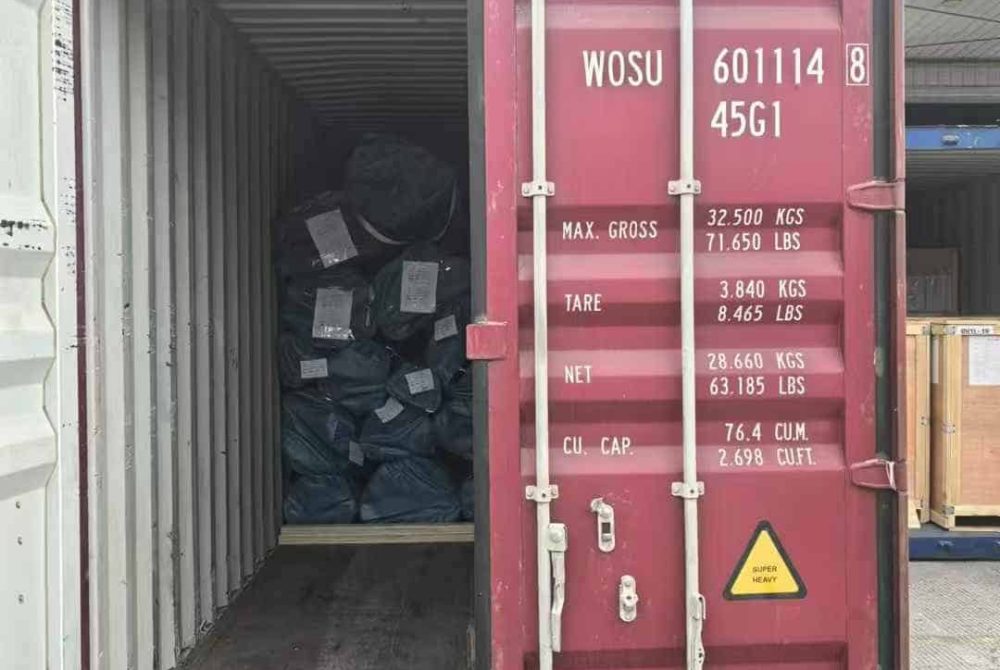
How your order is made, checked and shipped

Tube forming at the partner factory

Heat treatment (annealing)

Dimensional inspection

Alloy verification with a handheld analyzer

Export packing

Container loading
What Overseas Buyers Say About TeCarve Tubing
“I've received the goods and everything is fine.”
“The goods already send to customers. I am waiting for the next order from them.”
“…there is no need of inspection this time… I trust in your product.”
Frequently Asked Questions
What grades of stainless steel are available for rectangular tube?
Rectangular stainless steel tube is available in grades 201, 304, 304L, 316, 316L, and 321. Grade 304 is the most economical choice; grade 316L is recommended for marine, chemical, food-contact, or coastal outdoor environments.
What sizes does TeCarve offer for rectangular stainless steel tube?
Rectangular tubes are available with width from 10 mm to 200 mm, height from 10 mm to 100 mm, and wall thickness from 0.5 mm to 6 mm. Custom aspect ratios and non-standard dimensions are available. Cut-to-length and beveled or plain end processing are offered.
What standards do stainless steel rectangular tubes comply with?
Our rectangular tubes comply with ASTM A554, ASTM A312, EN 10296, EN 10217-7, JIS G3446, JIS G3468, GB/T 12770, GB/T 18705, and ISO 1127. Mill Test Certificates with chemical analysis and mechanical properties accompany every shipment.
What applications use rectangular stainless steel tubing?
Common applications include machine frames, food processing tables, conveyor structures, display fixtures, sign structures, vehicle exhaust systems, and architectural facades where both structural strength and corrosion resistance are required.
What is the structural difference between rectangular and square tube?
Rectangular tube has different second moments of area on each axis, making it stiffer in one bending direction. It is preferred for beams and horizontal supports carrying primary loads in one plane. Square tube provides equal stiffness in all lateral directions, making it better for columns and multi-axis loading.
What dimensional tolerances apply to ASTM A554 rectangular tubing?
Rectangular tubing is produced in accordance with ASTM A554 requirements. Outside dimensions and corner radii are controlled to standard specifications, and wall thickness tolerance is ±10%. Custom tight tolerances and cut-to-length dimensions are confirmed per customer drawing.
Can TeCarve provide slotting and secondary fabrication?
Yes. We provide precision cutting, slotting and deburring at our partner factories per customer drawings.
Do you offer DDP shipping terms to the United States?
Yes. In addition to FOB and CIF, we can arrange project-based DDP shipping directly to your facility.