


ASTM A312 Seamless Pipe: NDT per standard or order, Batch PMI & Heat-Traceable 3.1 MTC
High-pressure integrity without sourcing ambiguity. Cold-drawn and cold-rolled seamless pipes in grades 304, 304L, 316, and 316L from our Wenzhou partner factory.


Get Your Seamless Pipe & Tube Quote
Sourcing seamless stainless steel pipe or tubing for high-pressure systems, chemical processing, heat exchangers, or critical fluid transfer? Contact our export sales desk for live mill pricing, custom schedule verification, and flexible trial orders (100–300 kg MOQ supported).
Instant mill pricing, scheduling, and billet stock availability directly from our sales engineering desk within 2 hours.
Short tube sample pieces provided for dimensional inspection, chemical verification, and surface finish evaluation.
Verify hydraulic bending parameters, machining tooling, or pilot projects with low-MOQ trial quantities before volume orders.
Complete heat traceability, chemical composition, tensile/yield properties, and ultrasonic/eddy-current NDT reports.
For pressure-critical seamless tube projects, review how buyers can verify our partner factories, heat-treatment lines, NDT capability, and batch traceability before approving an order.
Manufacturing Process
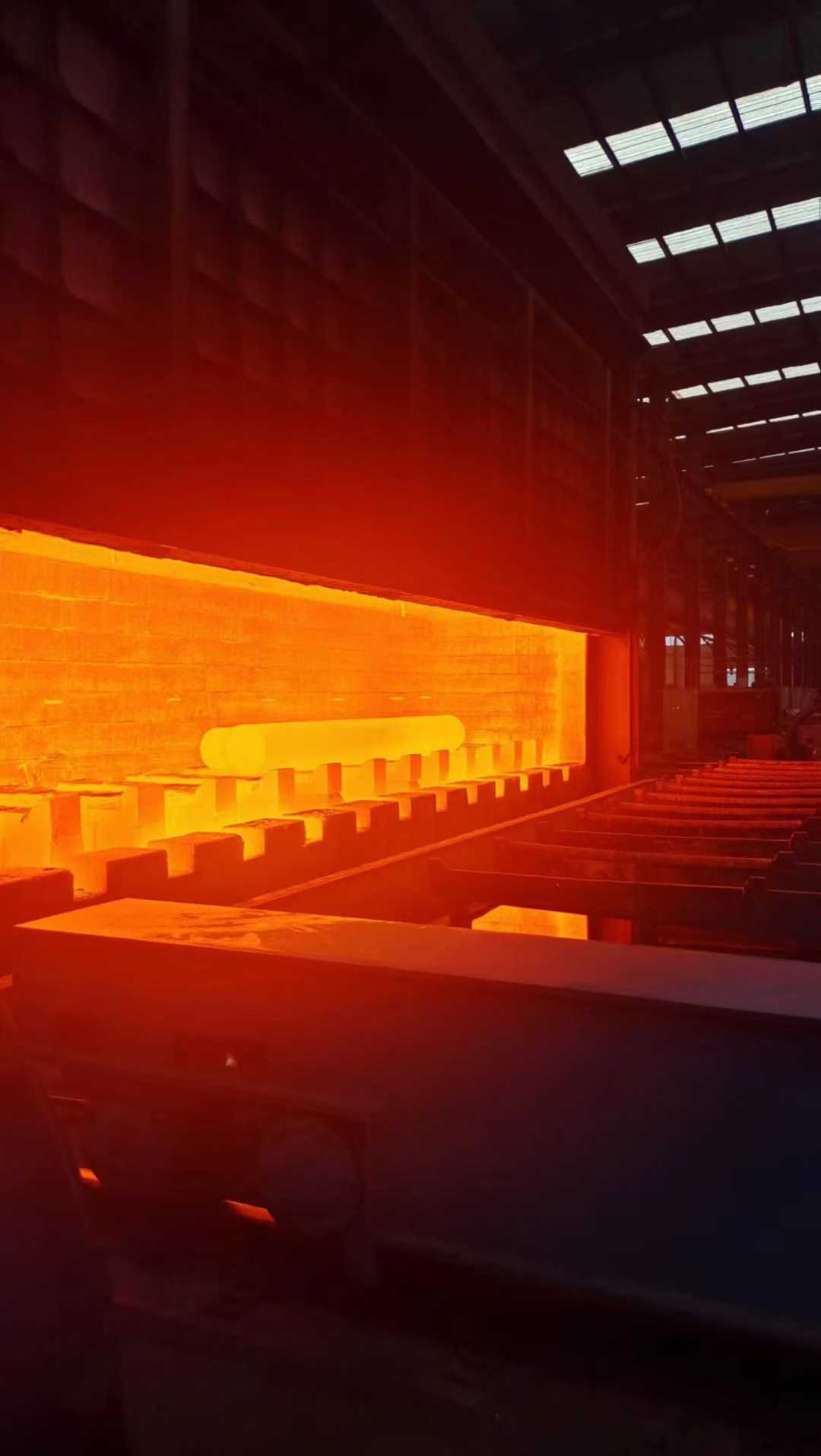
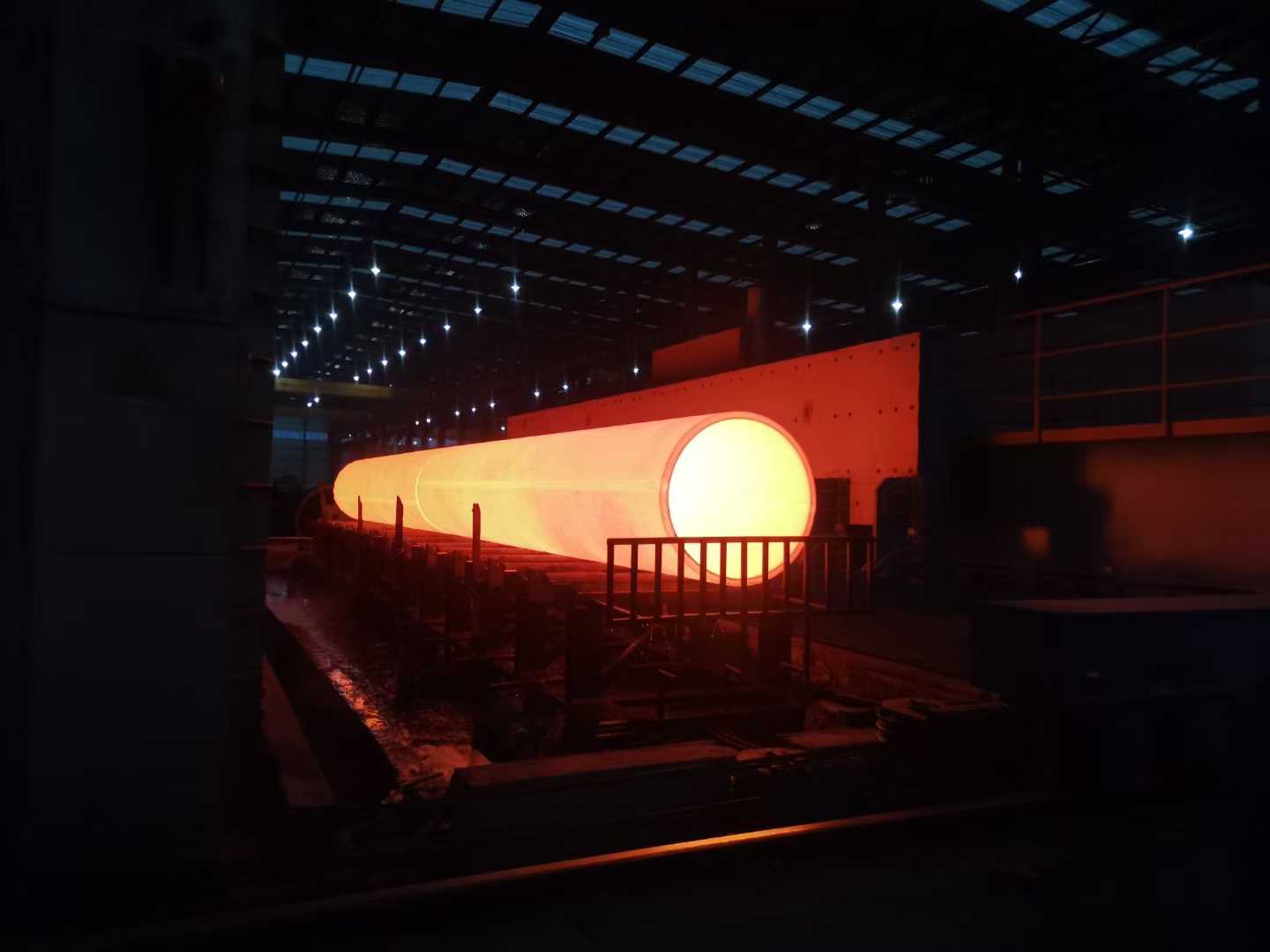
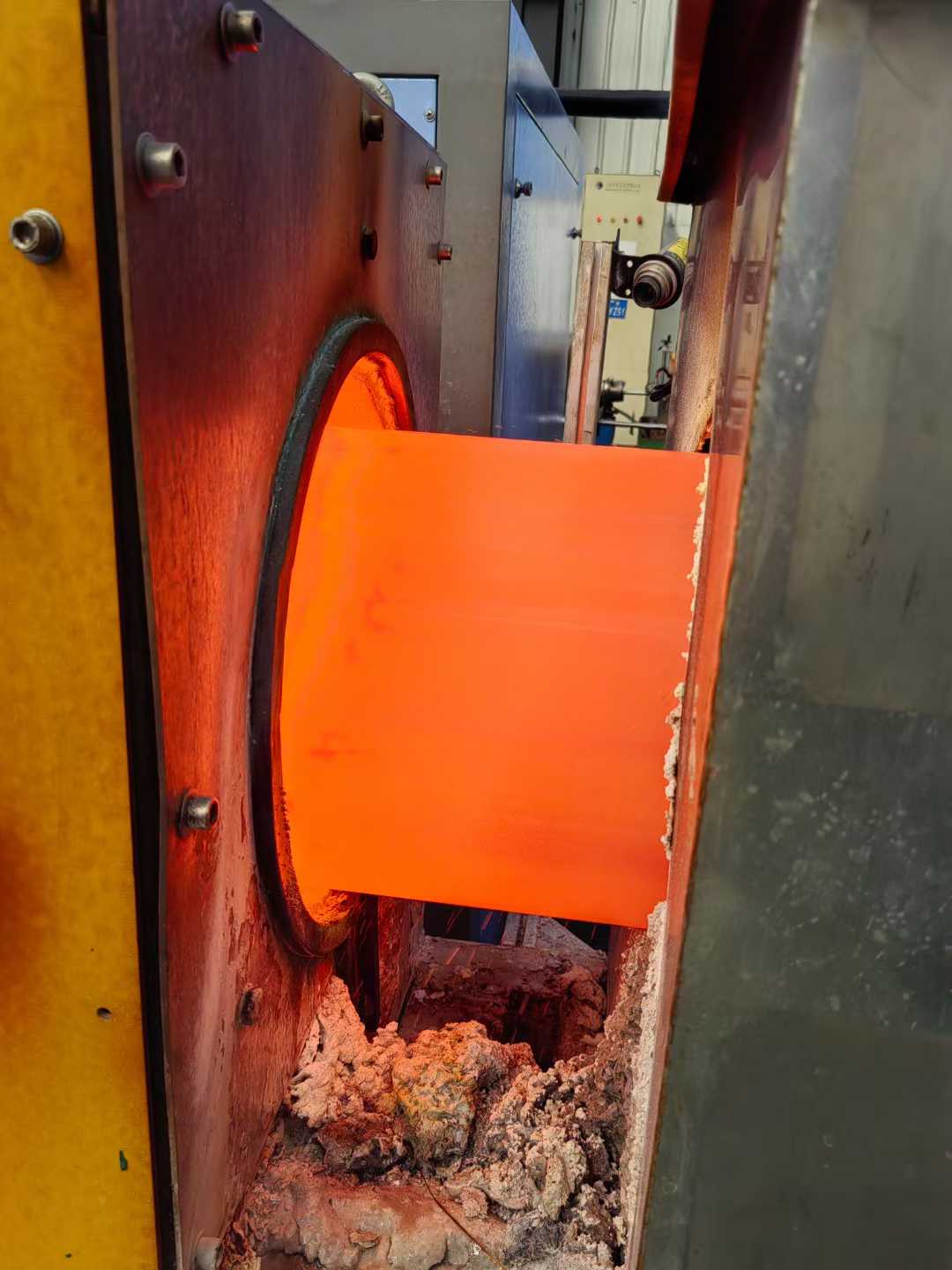
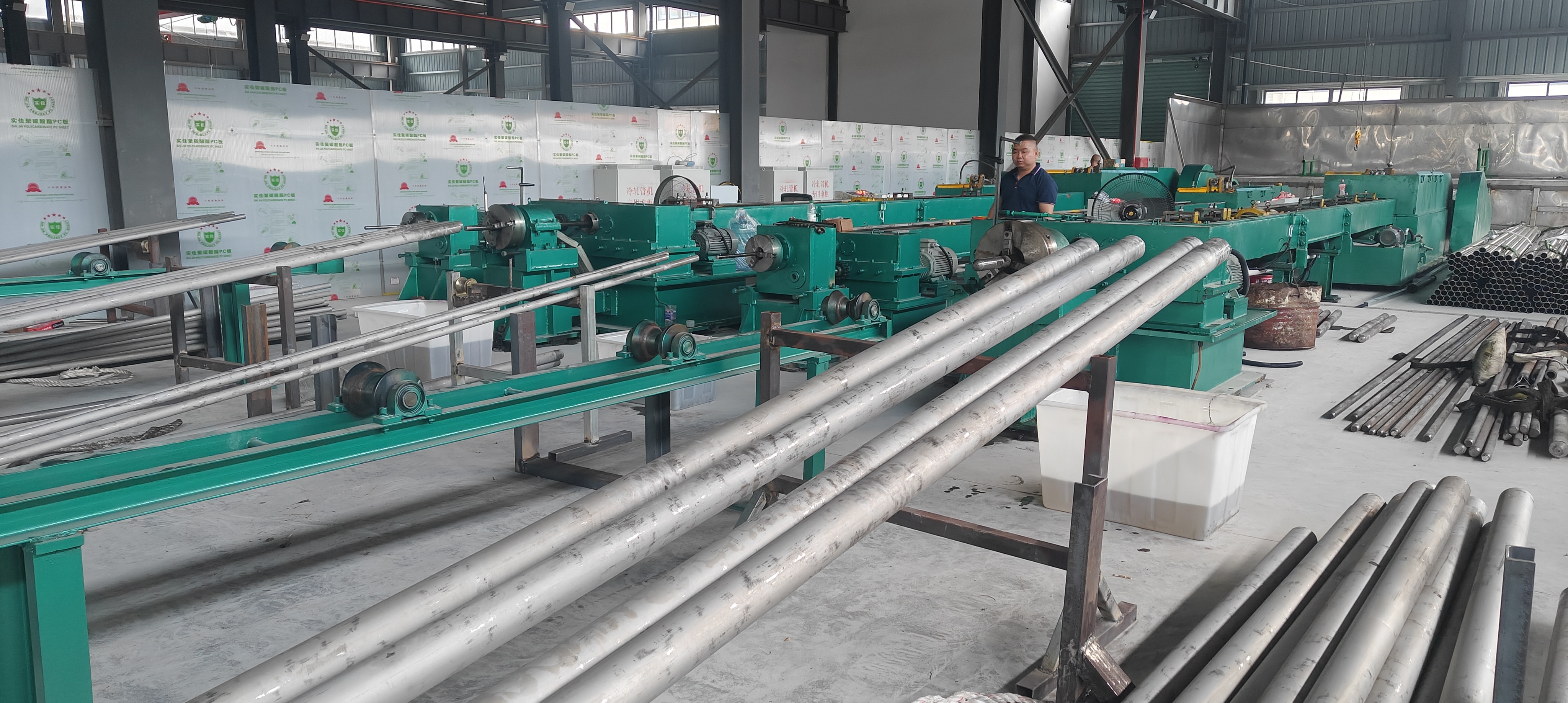
Seamless tube is produced at our Wenzhou partner factory (Zhejiang Qinghui Pipeline Technology Co., Ltd.) on a dedicated hot-piercing and cold-rolling line, from round billet to finished tube. Photos below are from the actual production floor.
Cold Drawn (Cold Pilgered) vs. Hot Finished (Hot Rolled) Seamless Pipe
Seamless stainless steel pipe conforming to ASTM A312 / EN 10216-5 is manufactured through two distinct primary routes: Cold-Finished (Cold Drawn / Cold Pilgered) and Hot-Finished (Hot Pierced & Extruded / Rolled). Selecting the correct manufacturing route directly impacts dimensional tolerance, wall thickness concentricity, surface roughness (Ra), and procurement economics.
| Technical Parameter | Cold Drawn / Cold Pilgered (CD / CP) | Hot Finished / Hot Rolled (HF / HR) | Engineering Selection Guidance |
|---|---|---|---|
| Forming Route & Mechanism | Solid round billet hot-pierced into hollow shell, pickled, then drawn through tungsten carbide conical dies over an internal plug/mandrel, or multi-roll cold pilger reduced at ambient temperature (<100°C). | Round billet heated to 1150°C–1250°C in a walking-beam furnace, cross-roll pierced on a Mannesmann mill, then hot elongated and sized through continuous mandrel mills at elevated heat (>900°C). | Cold drawing permits intermediate custom ODs and thin-wall ratios; hot rolling provides maximum throughput efficiency for standard heavy-wall pipes. |
| Dimensional Tolerance Precision | High precision: OD held to ±0.05 mm to ±0.15 mm (or ±0.5% per EN ISO 1127 Class D4). Wall thickness held to ±7.5% to ±10% (T3/T4). | Standard commercial limits per ASTM A999 Table 3 (OD ±0.79 mm to ±3.18 mm depending on NPS; WT -12.5% / +20% to +28%). | Specify Cold Drawn when tubesheet hole fit, compression fitting ferrules, or tight orbital welding alignment is required. |
| Wall Thickness Uniformity & Concentricity | Excellent concentricity: wall thickness eccentricity typically ≤ 5%–8%. Uniform bore profile minimizes localized fluid turbulence. | Moderate concentricity: wall thickness eccentricity typically 10%–15% due to high-temperature mandrel drift during piercing. | Cold drawn/pilgered tubing provides superior laminar flow stability and hydraulic efficiency in high-velocity lines. |
| Surface Roughness (Ra) & Cleanliness | Smooth, dense metallic surface: internal/external Ra ≤ 0.8 μm to 1.6 μm as-drawn. Capable of Ra ≤ 0.4 μm with bright annealing (BA) or electro-polishing. | Matte industrial finish: hot mill scale removed by acid pickling (AP / No. 1 finish); characteristic surface roughness Ra ≈ 3.2 μm to 6.3 μm. | Cold drawn is mandatory for pharmaceutical, high-purity gas, and food applications to avoid product residue and bacterial entrapment. |
| Grain Structure & Microstructure | Severe cold strain breaks up casting dendrites; subsequent solution annealing yields refined equiaxed austenitic grains (ASTM No. 7–9). | Dynamic recrystallization at high temperatures produces coarser austenitic grain boundaries (ASTM No. 3–5). | Fine grain size of cold-drawn tubing enhances yield strength consistency, high-cycle fatigue life, and stress corrosion cracking resistance. |
| Available Size & Wall Envelope | Unrivaled for small/medium ODs (6 mm to 219 mm) and thin to medium walls (WT 0.5 mm to 12 mm). Capable of high D/t and long continuous runs. | Optimal for medium to large diameters (NPS 2" to 24" / OD 60.3 mm to 610 mm) and heavy wall thicknesses (WT 6 mm to 50 mm+). | Use cold-drawn for precision heat exchanger and hydraulic tubes; use hot-rolled for heavy-wall process headers and main transmission lines. |
| Primary Industrial Applications | Heat exchangers, condenser tube bundles, instrumentation and impulse lines, CNG/hydrogen high-pressure lines, high-purity pharma tubing, hydraulic cylinders. | Offshore oil & gas process headers, petrochemical cracking furnaces, high-pressure steam distribution, power generation main steam lines, structural tubulars. | Both routes strictly conform to ASME Section II Part A material specifications when full solution annealing is verified on the EN 10204 3.1 MTC. |
Seamless Pipe Production & Export Photos
Real product, inspection, packaging and loading photos.

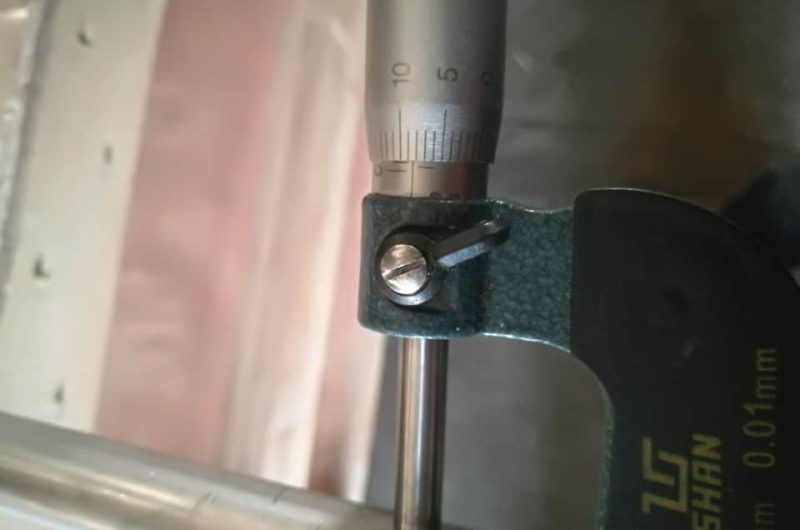
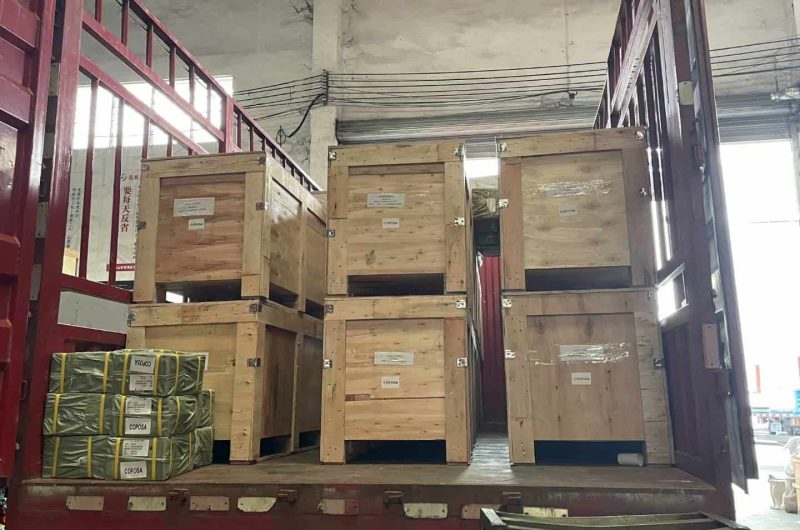
How your order is made, checked and shipped

Tube forming at the partner factory

Heat treatment (annealing)

Dimensional inspection

Alloy verification with a handheld analyzer

Export packing

Container loading
What Global Buyers Say About TeCarve Tubing
“I've received the goods and everything is fine.”
“The goods already send to customers. I am waiting for the next order from them.”
“…there is no need of inspection this time… I trust in your product.”
Frequently Asked Questions
What is stainless steel seamless pipe and how is it manufactured?
Stainless steel seamless pipe is manufactured from a solid round billet heated to 1150–1250°C and rotary-pierced into a hollow mother shell, then finished via cold pilgering (cold rolling) or cold drawing to exact dimensions.
Because it contains no longitudinal or spiral welded seam, seamless pipe eliminates weld decay risks and residual heat-affected zones (HAZ), delivering 20–30% higher allowable working pressures under ASME B31.3 / B31.1 piping codes. TeCarve supplies seamless pipe conforming to ASTM A312, ASTM A213, and EN 10216-5 in grades 304/304L, 316/316L, 321, 310S, 904L, and Duplex 2205.
What size range and wall thickness schedules are available for seamless stainless pipe?
TeCarve supplies seamless stainless steel pipe from NPS 1/8 in (OD 10.3 mm) to NPS 24 in (OD 610.0 mm) across full ASME/ANSI B36.19M and B36.10M schedules, including Schedule 5S, 10S, 40S/STD, 80S/XS, 160S, and XXS (wall thicknesses from 0.89 mm to 59.54 mm). Precision cold-drawn tubing is also available down to 6.0 mm OD.
Standard delivery lengths are 6.0 m (20 ft) single random; double-random (11.8–12.0 m) and custom precision cut-to-length options (±1.0 mm) are available for direct piping spool prefabrication.
What dimensional tolerances apply to ASTM A312 seamless stainless steel pipe?
ASTM A312 seamless stainless pipe conforms to the general requirements of ASTM A999 / A999M:
- OD Permissible Variations: NPS 1/8 to 1-1/2 in (+0.40 mm / -0.79 mm, or ±0.40 mm for cold-drawn); NPS 2 to 4 in (±0.79 mm); NPS 5 to 8 in (+1.59 mm / -0.79 mm); NPS 10 to 18 in (+2.38 mm / -0.79 mm); NPS 20 to 24 in (+3.18 mm / -0.79 mm).
- Wall Thickness Limit: Minimum wall at any point must not be more than 12.5% below nominal thickness (-12.5% under; over-thickness governed by weight limits +10% / -3.5% to -5%).
- Straightness & Global Standards: Maximum straightness variation is ≤ 3.2 mm per 3.0 m (1/8 in in 10 ft). International orders can also be manufactured to EN ISO 1127 (D3/T3, D4/T4) or JIS G3459 standards.
What are the differences between cold pilgering and cold drawing for seamless tubes?
Cold Pilgering (Cold Rolling): Uses reciprocating tapered dies and a stationary mandrel to achieve 70–80% cross-sectional reduction per pass. It produces exceptional wall thickness uniformity (wall variations within ±7.5% to ±10%), high concentricity, and low residual stress, making it ideal for high-pressure boilers, nuclear applications, and heat exchanger tubes.
Cold Drawing: Pulls the tube through an outer die and over an internal plug at room temperature. This route delivers tighter outside diameter accuracy (down to ±0.05 mm), a very smooth outer surface finish (Ra ≤ 0.4–0.8 μm), and greater flexibility for non-standard custom dimensions.
What is the MOQ, quality certification, and delivery lead time for seamless stainless pipe?
Small-Batch MOQ & Lead Time: TeCarve supports flexible 100–300 kg trial orders for standard and custom ASTM A312 seamless piping to assist engineering verification and emergency repairs. In-stock standard sizes dispatch within 7–10 days; custom production runs ship in 10–25 days.
Quality & Testing Documentation: Every production lot is accompanied by an authentic EN 10204 Type 3.1 Mill Test Certificate with full heat-batch traceability. Mandatory quality verification includes hydrostatic testing (up to 20 MPa / 2,900 psi) or eddy current NDT per ASTM A999 / ASTM E426.
Are Material Test Certificates (EN 10204 3.1) charged extra?
No. An authentic EN 10204 3.1 Material Test Certificate issued by our partner factory QC department is included free of charge with every shipment. It details heat numbers, chemical melt analysis, tensile properties, and hydrostatic pressure results.
Can we verify the partner manufacturing facilities before ordering?
Yes. We provide scheduled 1-on-1 live video factory audits via Zoom, Teams, or WhatsApp. Buyers can inspect our Wenzhou partner factory piercer, cold rolling mills, solution annealing furnaces, hydrostatic testing, and PMI spectroscopy in real time.
What non-destructive testing is performed on seamless pipes?
Every pipe undergoes NDT per standard or order (eddy current or ultrasonic testing) to ensure volumetric integrity. Hydrostatic testing is conducted per standard or customer order, supported by automated test benches rated up to 20–30 MPa.