

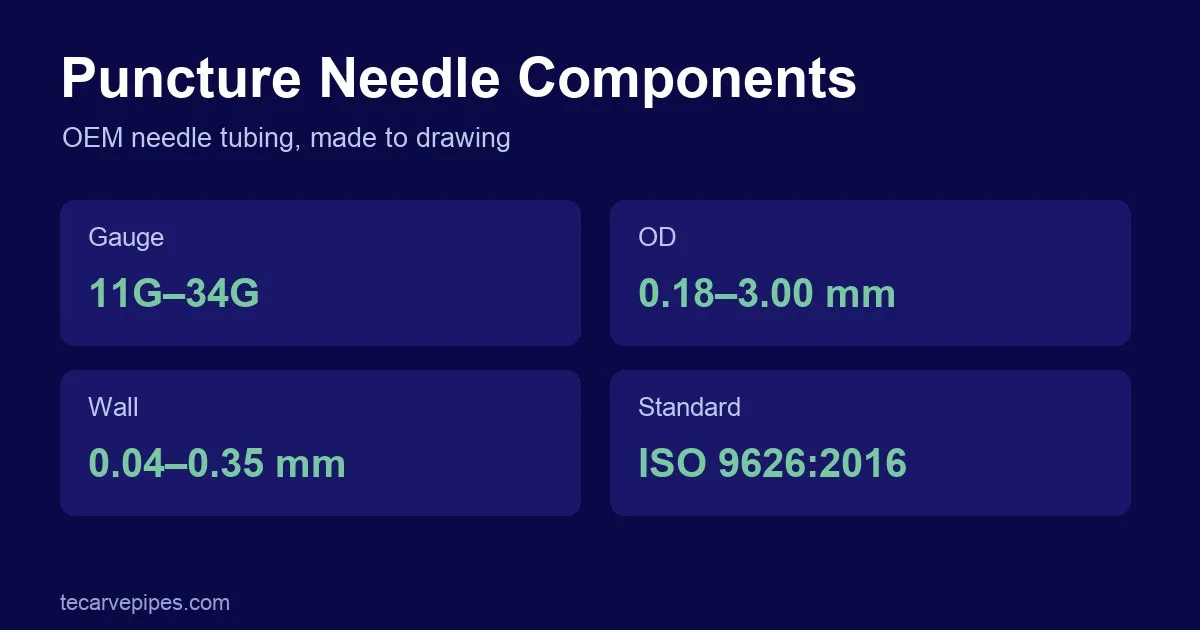

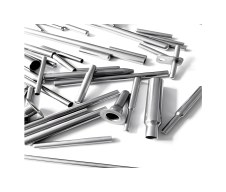
Puncture needle components are the metal parts inside a finished needle device: the tubing, ground tip, echogenic pattern, and any hub assembly. TeCarve exports them as OEM parts made to your drawing, from 11G to 34G (OD 0.18–3.00 mm, wall 0.04–0.35 mm), for medical device manufacturers.
TeCarve supplies ultra-clean precision seamless tubing and laser-cut tubular components as OEM semi-finished materials and parts for medical device manufacturers. We do not manufacture, package, or distribute finished implantable medical devices. All components require secondary processing and clinical validation by certified medical device manufacturers.
Needle component types
All types are made to your drawing at a specialist medical cleanroom facility in our supply network, then inspected and exported by TeCarve.
| Group | Components |
|---|---|
| Puncture and access | Puncture needles, coaxial needles, introducer needles, localization needles, drainage needles and biopsy cannulas |
| Specialty puncture | Tube for spinal, renal, abdominal, sternal, thyroid, oocyte and bone puncture needles |
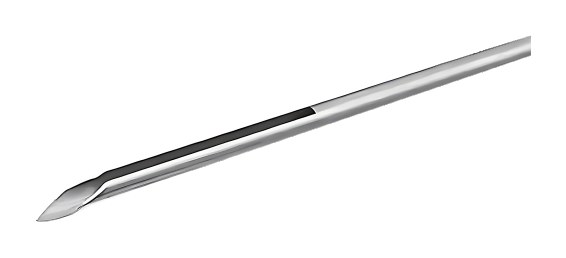
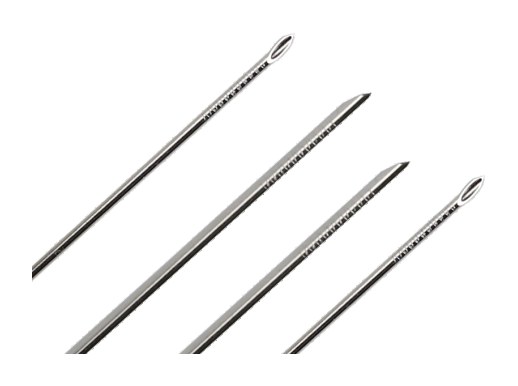
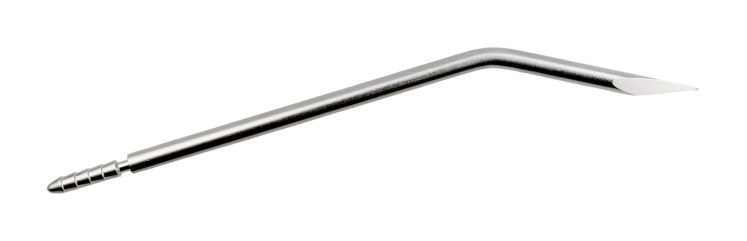
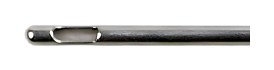
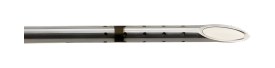
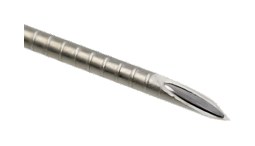
| Tip and cannula styles | Echogenic, side-hole, bevel, blunt, double-lumen, tri-bevel and shaped needles |
| Energy devices | Electrode needles and tube for microwave and RF ablation probes |
| Aesthetic and sampling | Aesthetic needles, thread-lift needles and blood collection needles |
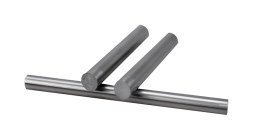
| Wires | Kirschner wires |

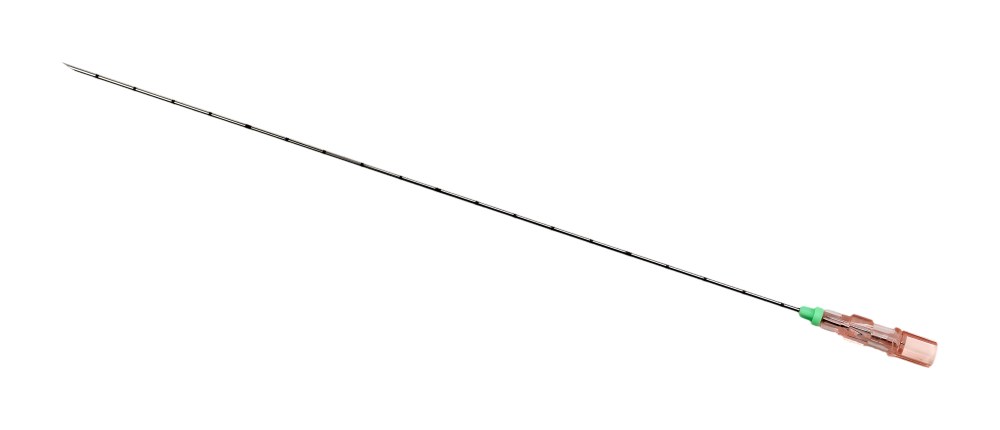
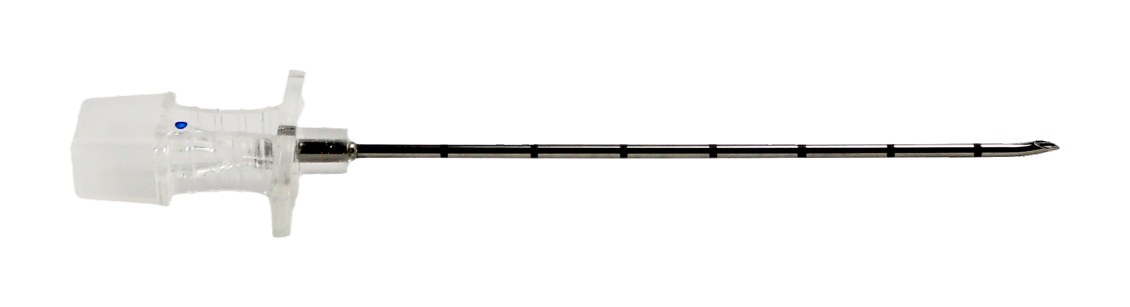
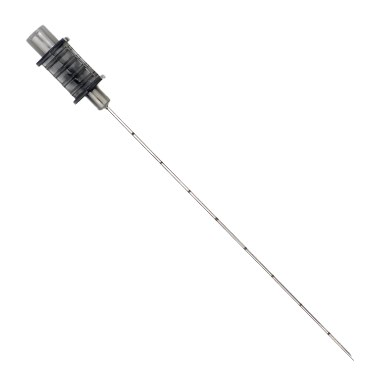
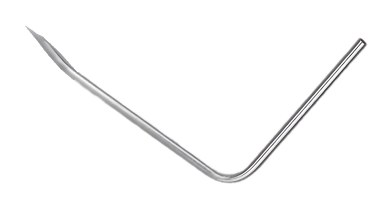
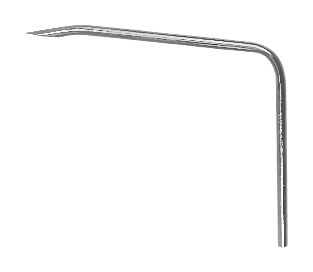
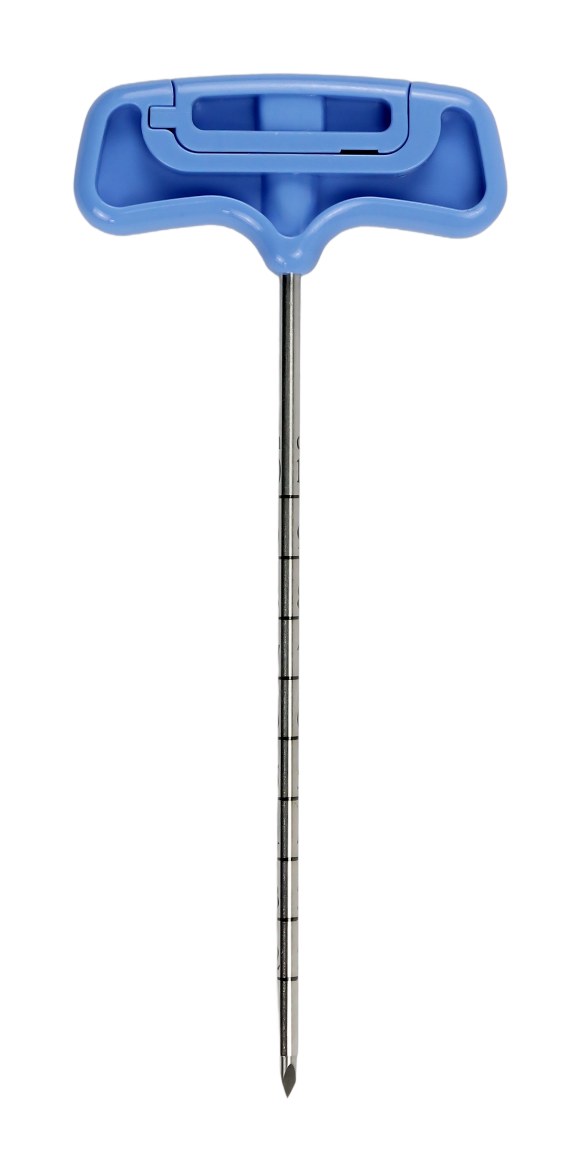

Semi-finished assemblies
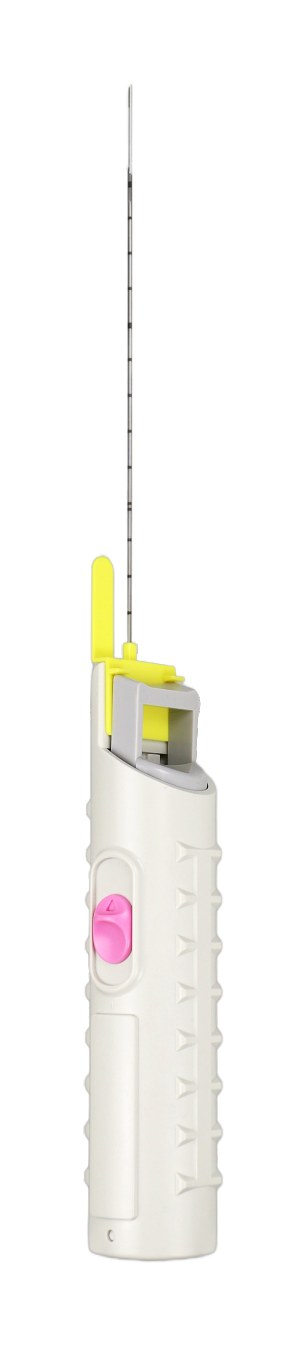
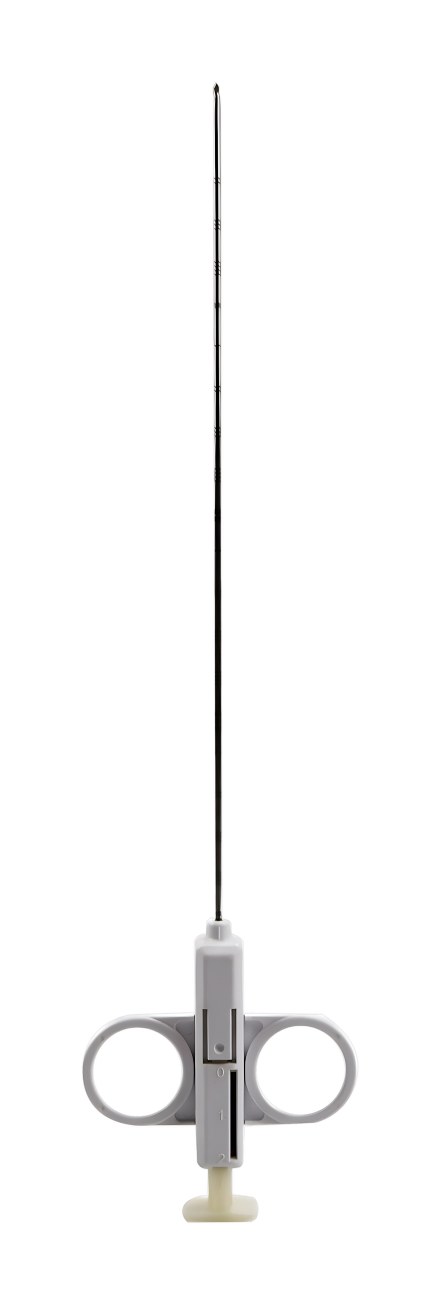
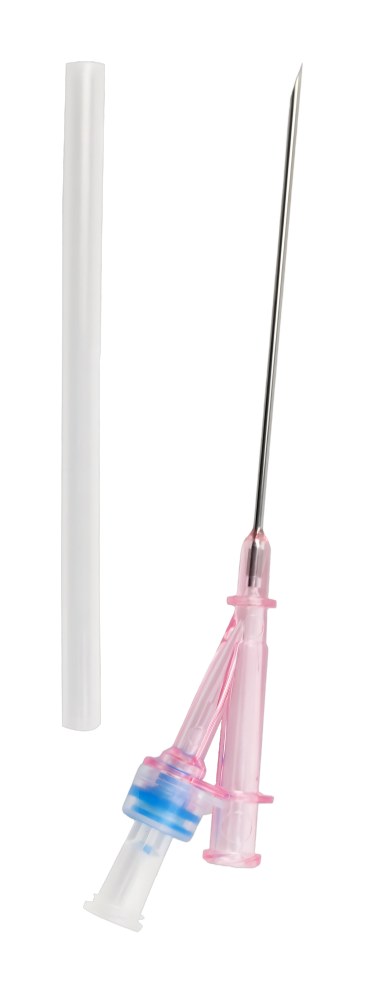
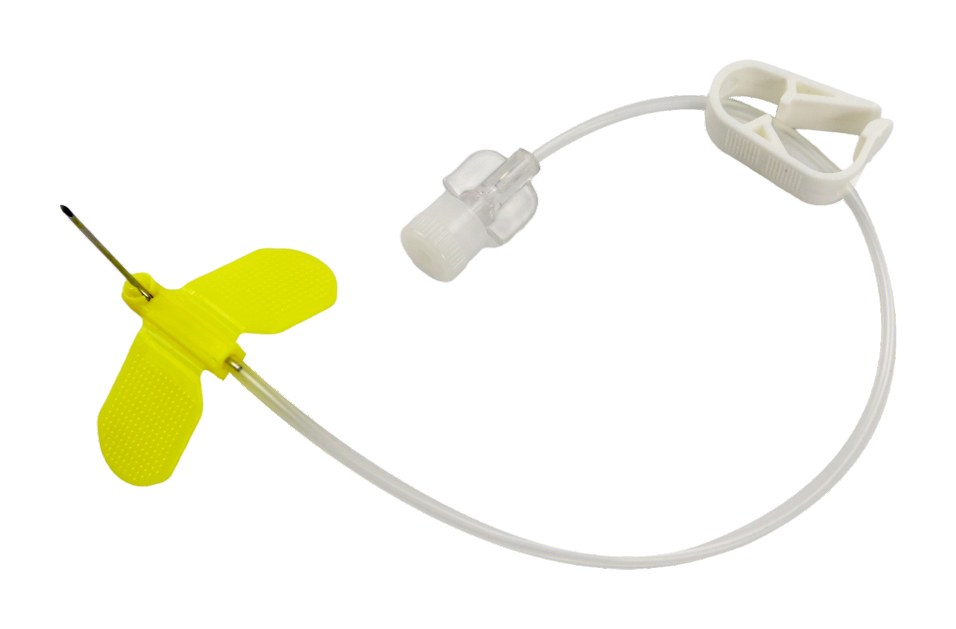
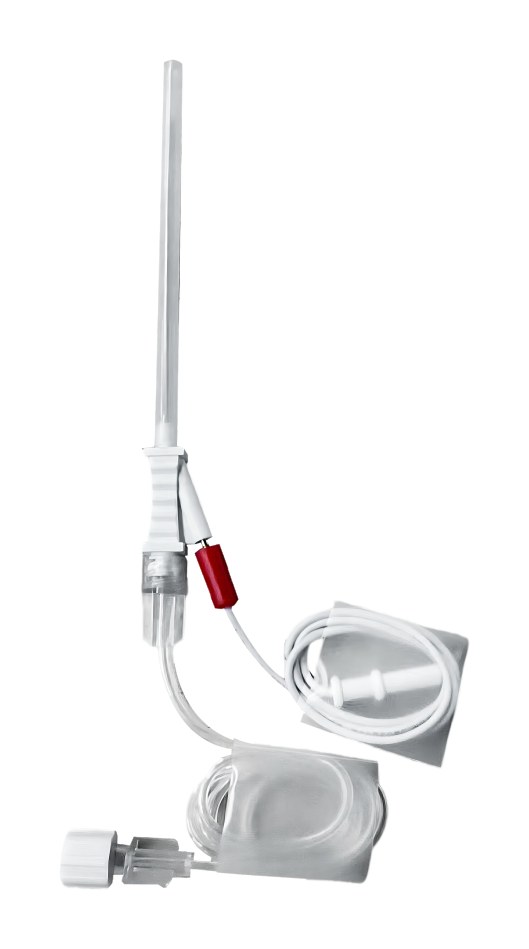
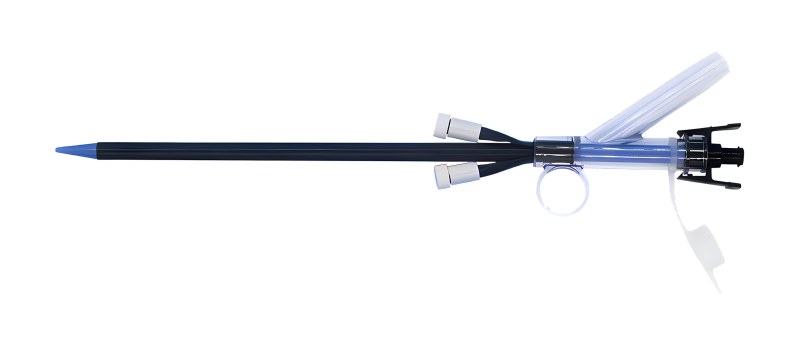
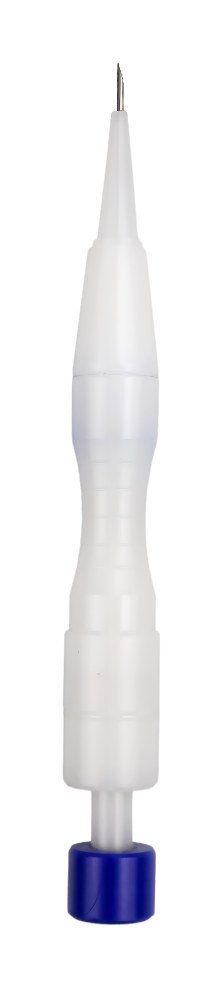
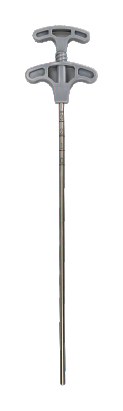
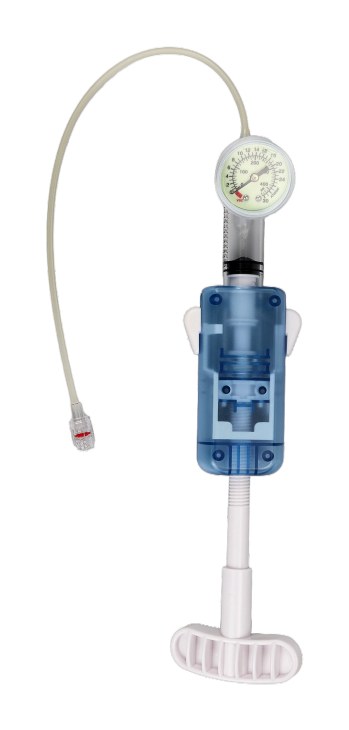
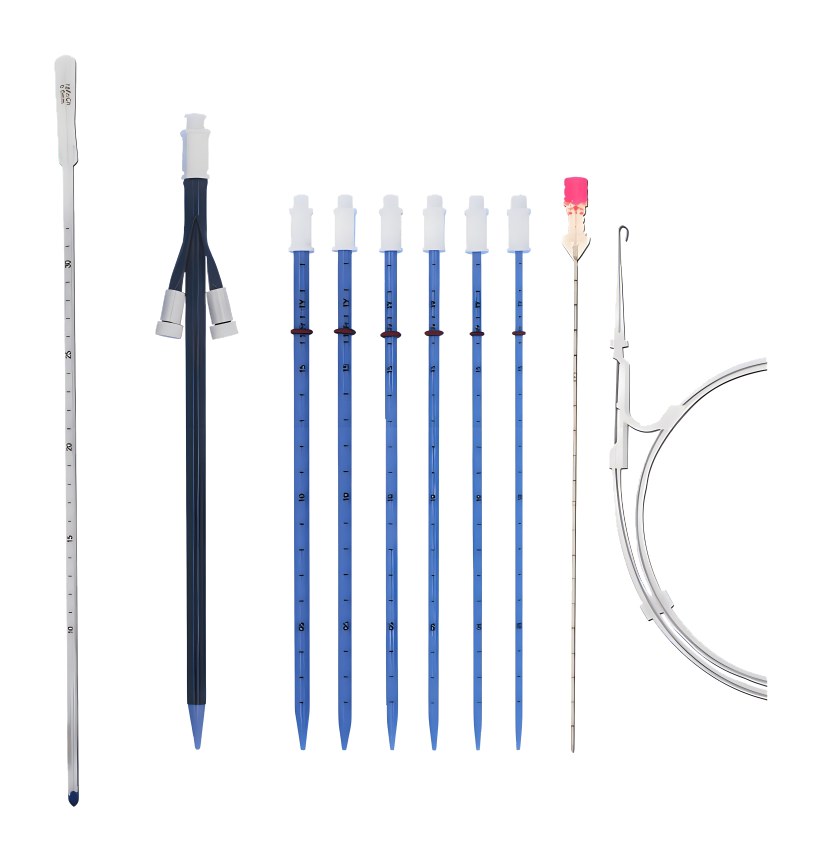
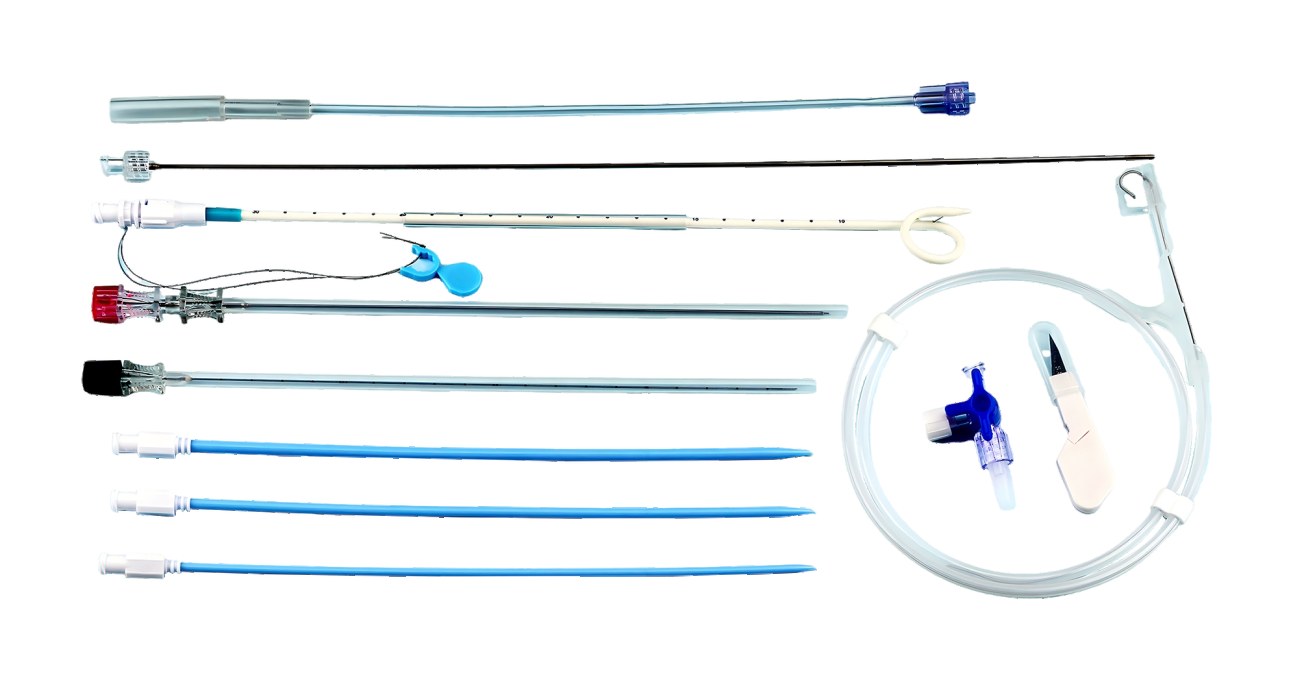
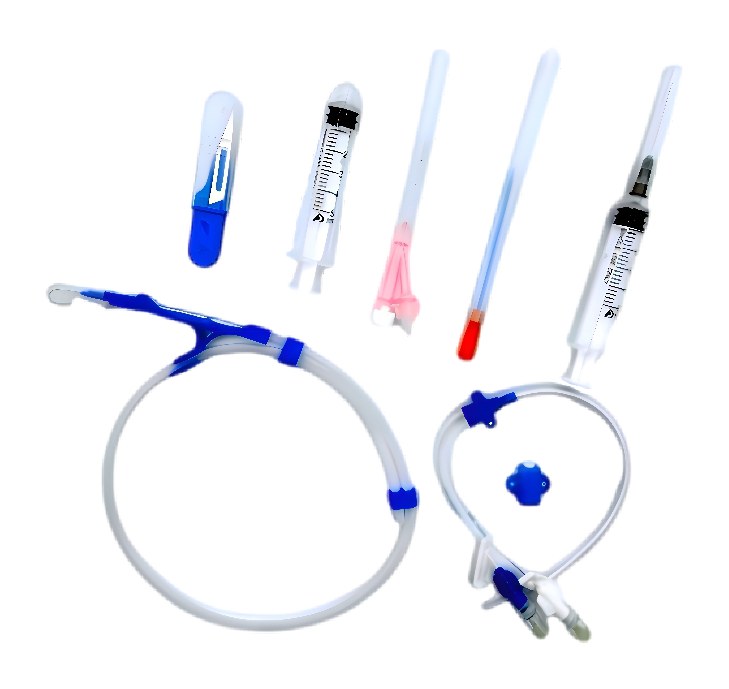
Some parts are supplied assembled, with hubs, handles or tubing fitted. They remain semi-finished OEM components, supplied before sterilization, final packaging and registration by the device manufacturer.



Needle tubing sizes and materials
| Item | Range |
|---|---|
| Gauge | 11G to 34G |
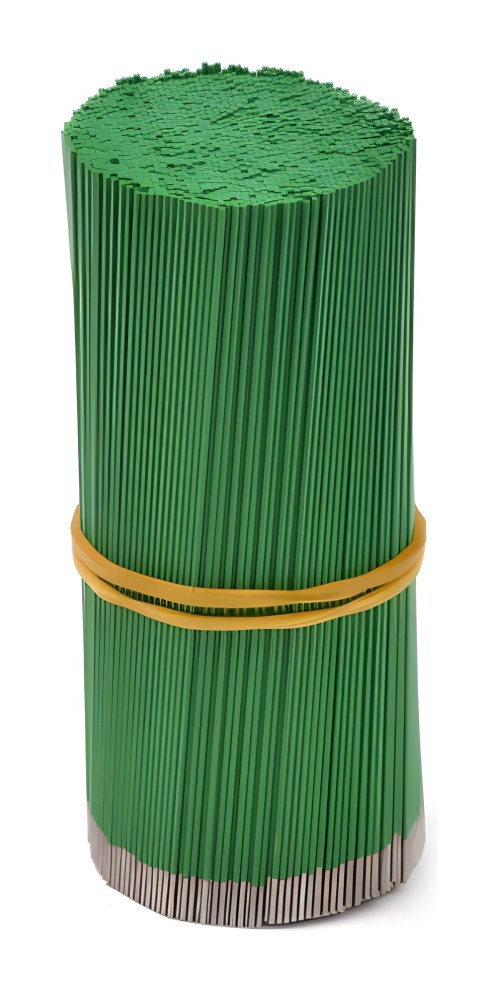
| Outside diameter | 0.18–3.00 mm |
| Wall | 0.04–0.35 mm |
| Standard lengths | 100, 120, 150, 180, 200, 250, 300 and 350 mm, or cut to your drawing |
| Stainless steel | 304, 316L and 317 |
| Precipitation hardening | 630 (17-4PH) and 631 (17-7PH) |
| Special alloy | Nitinol, on request |
Gauge sizes follow ISO 9626:2016, explained in our ISO 9626 needle tubing guide. China’s GB/T 18457-2024 is a modified adoption of that standard and replaces the 2015 edition. Both cover stainless steel needle tubing, so confirm the standard for other alloys on your drawing.
Needle tip grinding
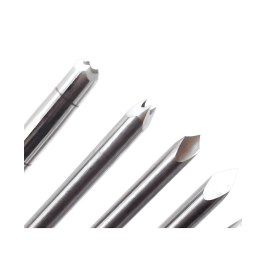
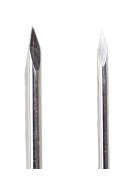
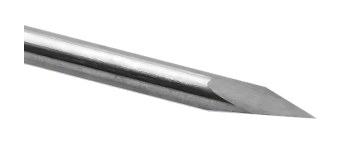
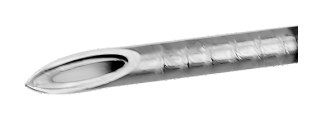
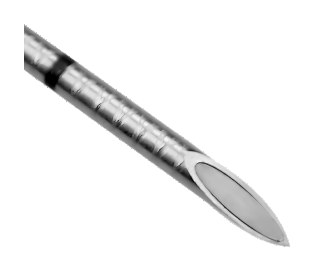
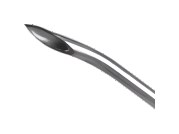
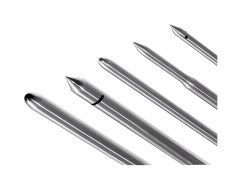
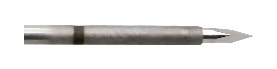
Tips are ground to the drawing: lancet, solid or hollow points, tri-bevel, multi-bevel and back-cut.
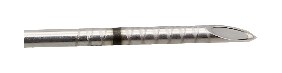
Echogenic needle patterns
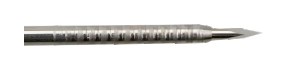
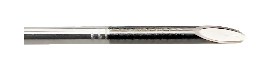
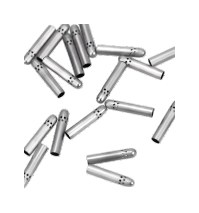
An echogenic pattern makes the tip easier to see under ultrasound guidance. Available patterns include ring and spiral grooves, cross-hatch dimples, perforation, texturing, sandblasting and laser-dimpled points. Choose the pattern and validate its visibility with your own device.
Needle tube fabrication
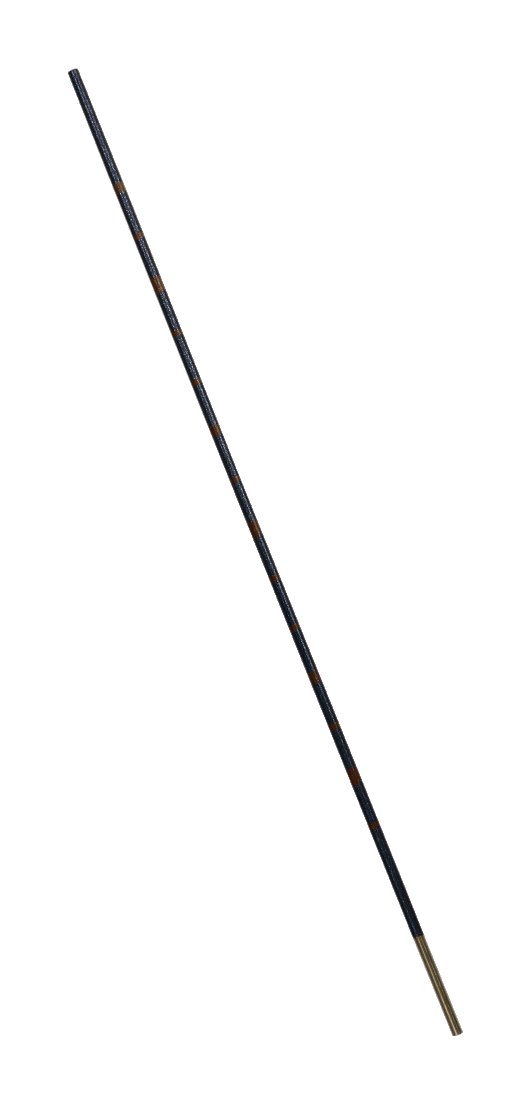
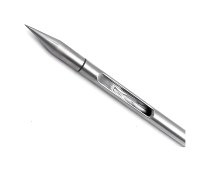
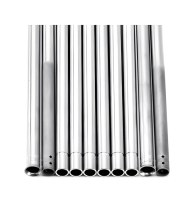
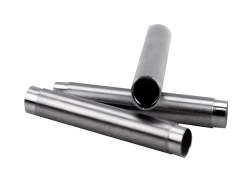
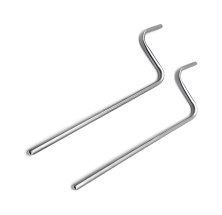
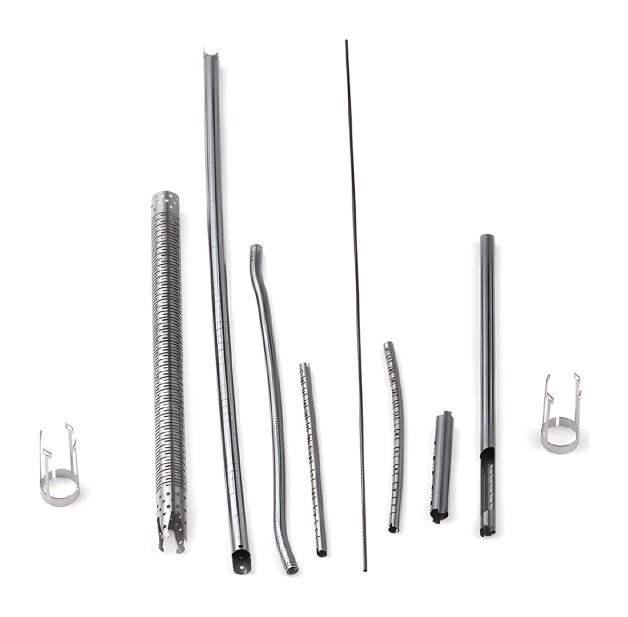
Forming and machining include laser graduation marks, closed ends, swaging, flaring, bending, micro coiling, step-down diameters, chamfering and deburring, flanging, and micro-slotting. Metal tube can also be assembled to molded Luer hubs and metal connectors.
Molded hubs and tooling
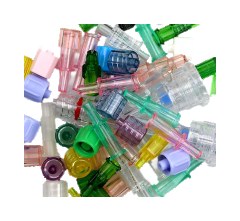
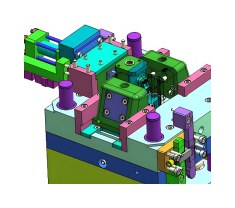
Injection-molded hubs and connectors can be developed with the needle tube, from mold design to molded parts, and assembled to the tube.
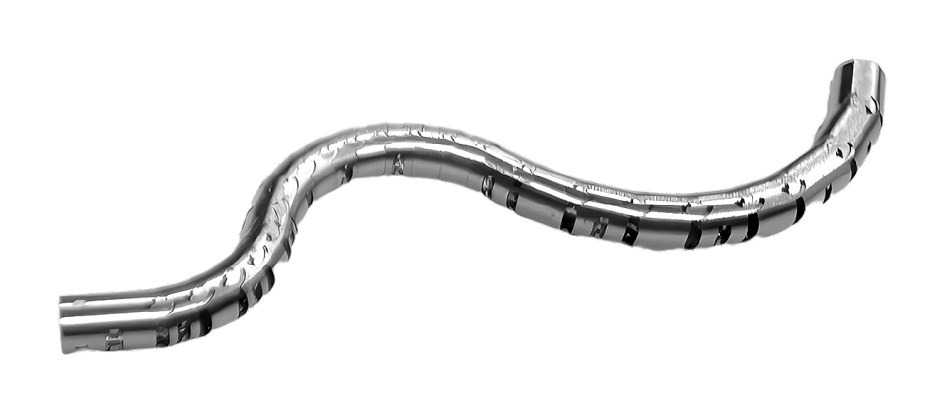
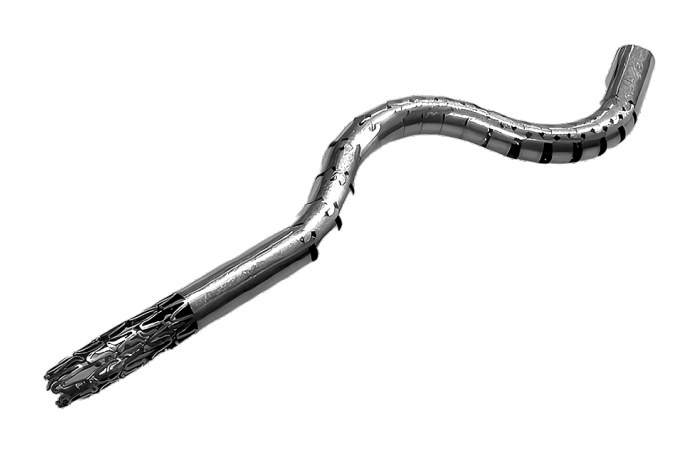
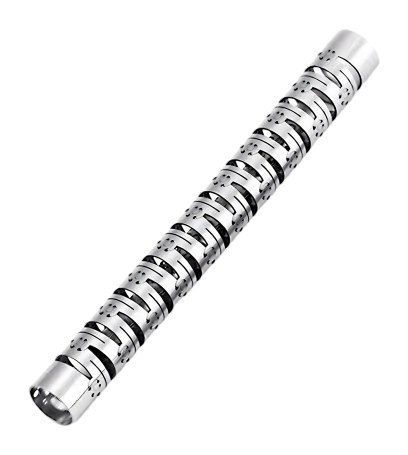
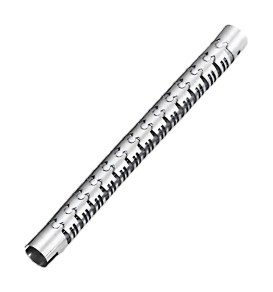
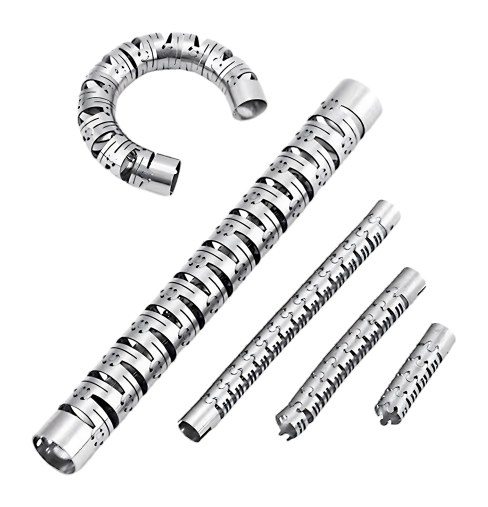
Laser-cut hypotube and flexible tube
A laser cut hypotube is a thin-walled metal tube with a slot or spiral pattern cut along its length, so that section bends more easily than the plain tube. Femtosecond laser cutting produces these flexible and slotted tubular parts, supplied as semi-finished components. See also medical devices and components for more medical tube components. For a quote, send the tube OD and wall, the material, and the cut pattern with its pitch and slot width.
Surface finish and coating
| Process | Options |
|---|---|
| Polishing | Electropolishing with Ra ≤ 0.2 µm as a commercial target, mechanical mirror polish |
| Cleaning | Passivation |
| Matte | Precision sandblasting and matte finish |
| Coating and plating | PTFE, gold, silver and nickel |
Finish values are confirmed per order against your drawing. They are not requirements of ISO 9626.
What to send for a quote
- Drawing or sample: OD, wall, length and tolerances, with the tip style and angle.
- Material: grade and temper.
- Processing: echogenic pattern, graduation marks, coating and hub assembly.
- Quantity and documents: annual volume, prototype quantity, and the test reports you need.
Sterilization, packaging, regulatory registration and clinical validation stay with the device manufacturer. More references are in our technical resources.
Frequently asked questions
What is a puncture needle component?
It is the metal part of a puncture device supplied before final assembly, such as the needle tube, ground tip or stylet. A device manufacturer completes the assembly, sterilization and registration.
Do you supply finished sterile needles?
No. TeCarve supplies OEM tubing and components for medical device manufacturers. Sterilization, packaging, registration and clinical validation stay with the device manufacturer.
What needle gauges are available?
From 11G to 34G, which is OD 0.18 to 3.00 mm, with walls of 0.04 to 0.35 mm. Standard lengths run from 100 mm to 350 mm, and tube can be cut to your drawing.
What is an echogenic needle?
It is a needle with a surface pattern near the tip that makes it easier to see under ultrasound. Patterns include grooves, dimples, perforation and sandblasting. Visibility should be validated with your own device.
What is a laser cut hypotube?
It is a thin-walled metal tube with a slot or spiral pattern laser-cut along its length. The cut pattern sets how flexible that section is. TeCarve supplies it as a semi-finished component, and the device manufacturer completes the assembly.
Which standard covers stainless needle tubing?
ISO 9626:2016 covers stainless steel needle tubing for medical devices. GB/T 18457-2024 is the Chinese standard, a modified adoption of ISO 9626:2016.