

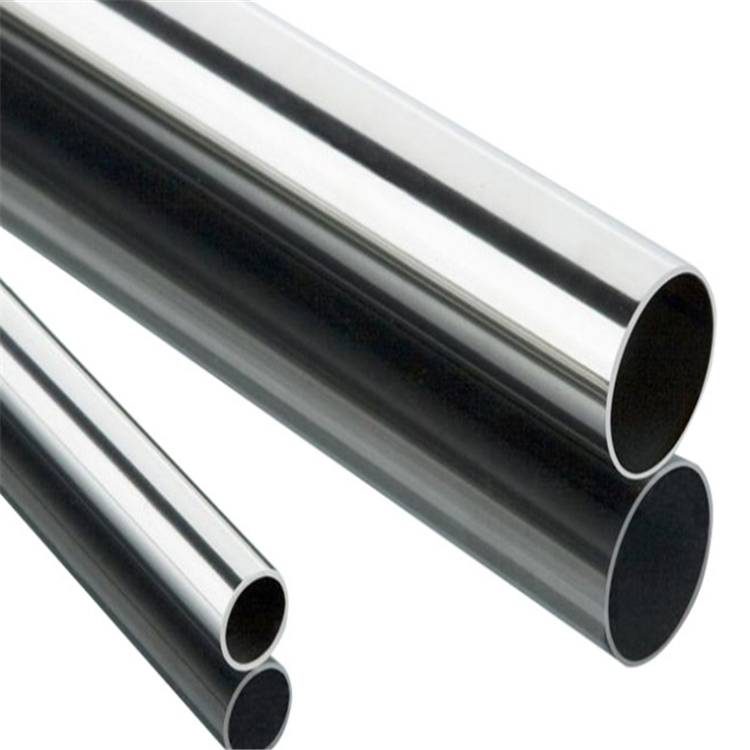

ASTM A270/A270M is a product specification for sanitary stainless steel tubing. A useful enquiry goes beyond the words “sanitary tube”: it identifies the grade, dimensions, surface requirements and whether pharmaceutical-quality supplementary requirements are needed. This guide explains how to turn those choices into an order without assuming that a shiny appearance proves compliance.
Scope: what A270 covers
A270 covers seamless, welded and heavily cold-worked welded austenitic and ferritic/austenitic stainless steel sanitary tubing for dairy and food applications, with special surface finishes. Ferritic/austenitic describes duplex stainless steel. The standard also provides for pharmaceutical quality as a supplementary requirement, rather than treating every sanitary tube as pharmaceutical-quality tubing.
For purchasing purposes, distinguish the tube product from the complete hygienic installation. The tube specification does not by itself describe every fitting, joint, cleaning procedure or operating condition. Start with the process specification, then identify what must be purchased and documented for the tubing. Our sanitary stainless steel tubing page is an enquiry starting point, rather than a replacement for that specification.
Ordinary A270 supply and S2 pharmaceutical quality
S2 identifies the pharmaceutical-quality supplementary requirements associated with A270. If the project requires that supply condition, state it explicitly with the standard and required edition. An order that says only “ASTM A270” should not be read as an instruction to apply every optional supplementary requirement.
The distinction is about the agreed material requirements, not a marketing label. Ask the supplier to identify the supplementary requirements included in the quotation and the records that will demonstrate compliance. Check those against the applicable standard text before order acceptance; this guide does not reproduce the detailed pharmaceutical-quality acceptance criteria.
Similarly, do not convert “S2” into a claim that the tube meets every ASME BPE requirement. Where both standards are specified, identify the relevant requirements from each and resolve differences before placing the order. A concise specification is useful only when its abbreviations mean the same thing to the buyer, factory and inspector.
Inside finish, outside finish and Ra
Surface finish should be specified separately for the inside and outside of the tube. Mechanical polishing and electropolishing describe different finishing processes, while Ra describes an average surface-roughness parameter. A finish description and a roughness requirement are therefore related information, not interchangeable terms.
State the required condition and Ra acceptance basis as agreed in the order, with the relevant standard reference. Where roughness reports are required, agree the measurement method, locations and reporting arrangements. This guide deliberately provides no numerical A270 roughness chart: the applicable standard and purchase specification govern acceptance.
Do not use abrasive grit descriptions as a universal conversion into Ra. Also identify whether an inside-surface requirement includes the weld area and how that area will be assessed. Surface roughness alone does not describe every feature relevant to cleaning or corrosion, so keep the project inspection requirements alongside the finish designation.
A270 vs ASME BPE vs ISO 2037 vs DIN 11850
| Reference | Scope | Dimensional system and buying check |
|---|---|---|
| ASTM A270 | Sanitary stainless steel tube product specification | Inch-pound or SI designation; state the actual outside diameter and wall, not just the standard name. |
| ASME BPE | Equipment and systems for bioprocessing and other high-hygiene applications | Inch-based sanitary tube dimensions; identify the applicable dimensional requirements and mating components. |
| ISO 2037 | Stainless steel tubing for the food industry | Metric tube dimensions; check the exact series and drawing. The standard is withdrawn. |
| DIN 11850 | Stainless steel tubes for food and chemical industries | Metric dimensional series; a legacy reference superseded by EN 10357. |
These references should not be treated as interchangeable size labels. Compare the actual outside diameter, wall and connection requirements before deciding whether a tube fits an existing system. If a legacy drawing names ISO 2037 or DIN 11850, retain that reference in the enquiry and ask the project owner to confirm the intended acceptance basis.
For dimensional background, read our ISO 2037 tubing guide and DIN 11850 size guide. Both are useful for interpreting specifications, but the original standard and the approved drawing take precedence over an online comparison.
Common grades: 304, 304L and 316L
Buyers commonly discuss sanitary tubing in 304/304L and 316L. The L designation identifies a lower-carbon grade; 316L also contains molybdenum, which supports resistance to certain corrosive environments. That does not mean one grade is suitable for every process fluid or cleaning regime.
Choose the grade against the actual service specification, including the process medium and cleaning conditions. Keep grade selection separate from finish selection: specifying a smoother surface does not change the alloy, and ordering a different alloy does not define its inside finish. Ask for the full material designation in the quotation and certificate rather than accepting the description “food-grade stainless”.
What to include in a sanitary tubing enquiry
- Product specification: ASTM A270/A270M and the project-required edition, with S2 stated when required.
- Grade and route: full material designation and seamless or welded construction, as required by the project.
- Dimensions: outside diameter, wall, length, units and the dimensional series used by the mating system.
- Surfaces: separate inside and outside finish descriptions, with the agreed roughness requirements and measurement basis.
- Inspection: requested reports, supplementary examinations and any third-party inspection arrangements.
- Delivery condition: quantity, end preparation, protection, packaging and marking requirements.
- Documentation: material certificate and identification needed to match the delivered tubes to the order.
Where several standards appear on the same drawing, identify which controls material, dimensions and surface acceptance. Ask the supplier to flag discrepancies before quoting rather than silently choosing one requirement over another. Our guide to specifying sanitary stainless steel tubing helps organize that conversation.
A practical wording template is: “Sanitary stainless steel tube to the specified ASTM A270 edition; grade and construction as listed; dimensions and mating series as drawing; inside and outside finishes separately stated; supplementary requirements, inspection and documentation as attached.” Fill in every missing item and agree any exceptions before the purchase order is accepted.
When comparing offers, put the proposed grade, dimensional basis, finish, supplementary requirements and documentation side by side. A lower quotation may reflect a different supply scope rather than the same tube at a lower cost. Ask questions about any blank fields while the enquiry is still open, especially where the tube must join an existing hygienic line.
How TeCarve handles sanitary tube enquiries
TeCarve is a specialized Chinese stainless steel piping solutions provider and the exclusive factory-direct export channel for two dedicated manufacturing plants in Foshan (welded & decorative tubing) and Wenzhou (seamless & precision tubing). Testing is performed by the dedicated plants, with third-party testing arranged when customers request it. Shipments include an EN 10204 3.1 MTC. Trial orders are available at 100–300 kg, and quotation enquiries receive a reply within 24 hours. Send your grade, dimensions, finish requirements and drawing to sales@tecarve.com.
For maximum Ra values by finish, see the surface finish chart for stainless tubing (ASME BPE SF1–SF6).
Hardness limits such as B90 can be compared across scales with the hardness conversion chart (ASTM E140); use its austenitic stainless steel table for 304 and 316.
Frequently asked questions
Does ASTM A270 cover seamless and welded tubing?
Yes. Its scope includes seamless, welded and heavily cold-worked welded sanitary stainless tubing. State the required construction on the order rather than expecting the standard name alone to select it.
Does every A270 tube meet S2?
No. Pharmaceutical quality is a supplementary requirement. Specify S2 when the project requires it and confirm the applicable requirements and documentation against the standard edition used for the order.
Does A270 specify the same Ra for every order?
Do not assume a universal finish from the standard name. Define the inside and outside surface conditions, agreed roughness acceptance and measurement arrangements in the purchase specification.
Is A270 the same as ASME BPE?
No. A270 is a sanitary tube product specification, while ASME BPE addresses a broader hygienic equipment and systems scope. Identify which requirements apply when a project references both.
Can sanitary tubes be selected by nominal size alone?
No. Confirm the outside diameter, wall, dimensional series and mating connections. Similar nominal descriptions across different systems do not establish dimensional compatibility or compliance with the project drawing.
Source references: ASTM A270 public scope, ASME BPE overview, ISO 2037 status and DIN 11850 status.
By Will Lee